← Back to Blog
23 June 2026
The Best Synths for Minimal Tech House
Serum. Korg M1. Polysix. Triton. Zenology. Obsession. The synths behind the Chris Stussy sound — and why this genre sounds warm on purpose.
There is a reason minimal tech house feels different to other electronic music.
It does not hit you over the head. It creeps in. A looping chord that feels slightly out of time. A pad that seems to breathe. A bass that sits so deep in the mix you feel it before you hear it.
That feeling comes from the synths.
Producers like Chris Stussy are not just writing good music — they are choosing sounds with a specific character. Warm. Slightly imperfect. Like the music was made a long time ago, even when it was not.
Here is a breakdown of the synths behind that sound.
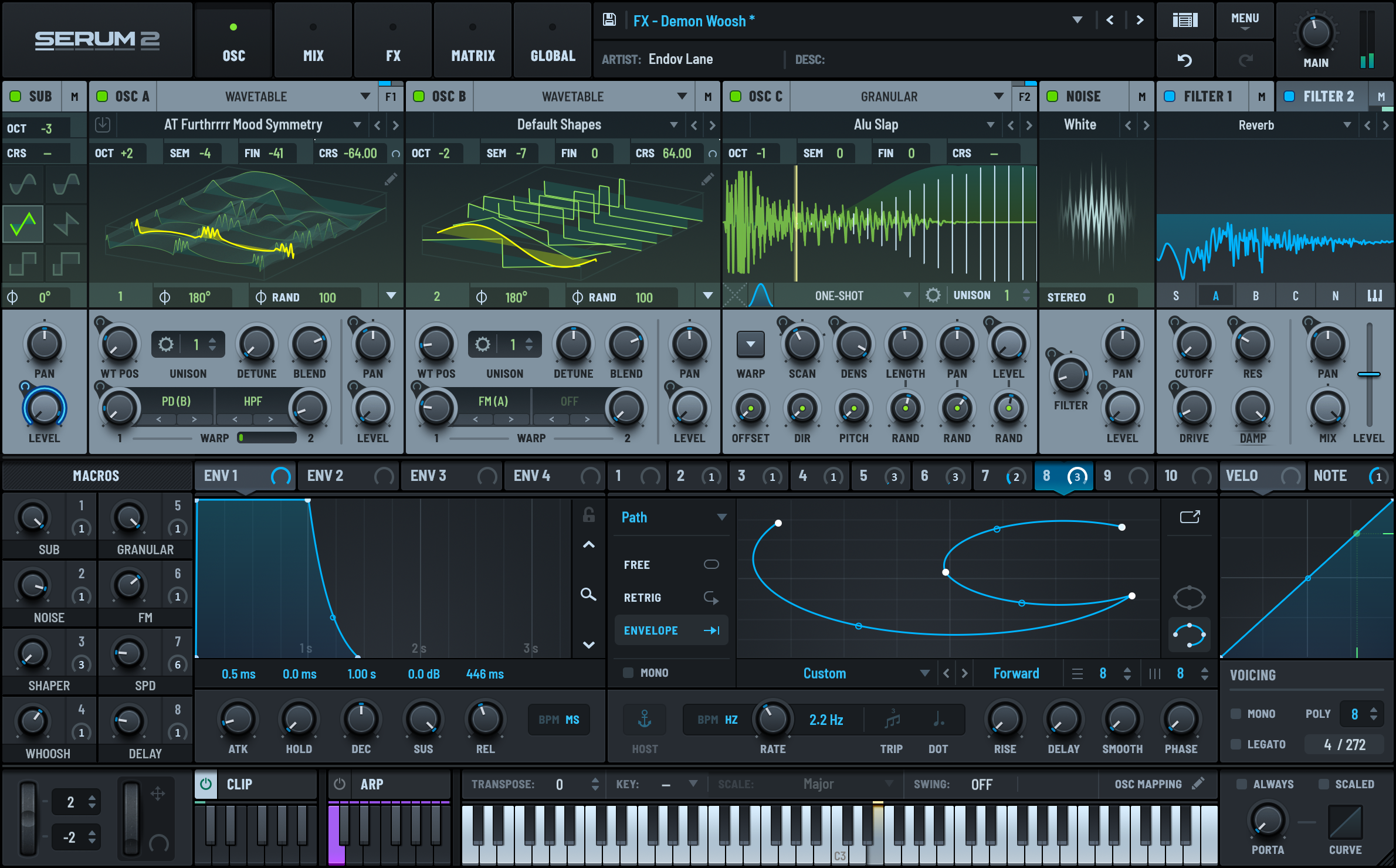
1. Serum
Serum is the most used synth in minimal tech house. If you only get one plugin from this list, make it this one.
It is a wavetable synthesizer — which means instead of simple waveforms, it can use almost any shape of sound as its starting point. That gives you a huge range, from clean modern basses to warm, dusty textures that sound like they came from a 40-year-old piece of hardware.
In the right hands, Serum sounds deep, warm and hypnotic. In the wrong hands it sounds like a festival main stage. The trick is knowing how to dial it back — the right wavetables, minimal modulation, subtle drive. That takes time to learn, but when it clicks, nothing touches it.
Get it: xferrecords.com
2. Korg M1
 The M1 is probably the most influential synth in the history of house music. Full stop.
Released in 1988, it shipped with sounds that producers fell in love with immediately. The piano. The strings. The organ. These were not just presets — they became the building blocks of a genre. The M1 piano is one of the most recognised sounds in electronic music.
In minimal tech house, you hear the M1 everywhere. Those warm, slightly soft chords floating through a track. The subtle pad underneath everything that you do not notice until it is gone.
Get it: Korg Collection — includes M1, Polysix and Triton
3. Korg Polysix
 The Polysix came out in 1981 and it sounds exactly like 1981 — in the best possible way.
It is a six-voice analog poly synth. Big, warm, slightly fuzzy strings and pads. The kind of sound that feels like it was recorded in a room rather than made on a computer.
In minimal tech house this is the secret weapon. When a track has a chord or a pad that sounds a little rough around the edges — real, almost — there is a good chance it came from a Polysix or something trying to sound like one.
Get it: Korg Collection
4. Korg Triton
 The Triton was a workstation keyboard you would find in a studio in the late 90s and early 2000s. Loaded with thousands of sounds — rich, layered, slightly cinematic.
Those sounds got used everywhere. UK garage. Deep house. R&B. They never went away because they are just good.
In minimal tech house they tend to show up as atmospheric layers. That thing running quietly behind the main groove that makes a track feel full even when barely anything is happening.
Get it: Korg Collection
5. Roland Zenology
 Roland spent decades making some of the most iconic synths in electronic music. The Juno. The Jupiter. The JD-800. Zenology brings all of those sounds into a single modern plugin.
Where the Korg sounds tend to be warm and soft, Roland sounds are a little cleaner and glossier. There is a polished quality to them that sits perfectly in a minimal mix without taking up too much space. Over 3,500 patches covering classic Roland hardware.
Get it: Roland Cloud
6. Synapse Audio Obsession
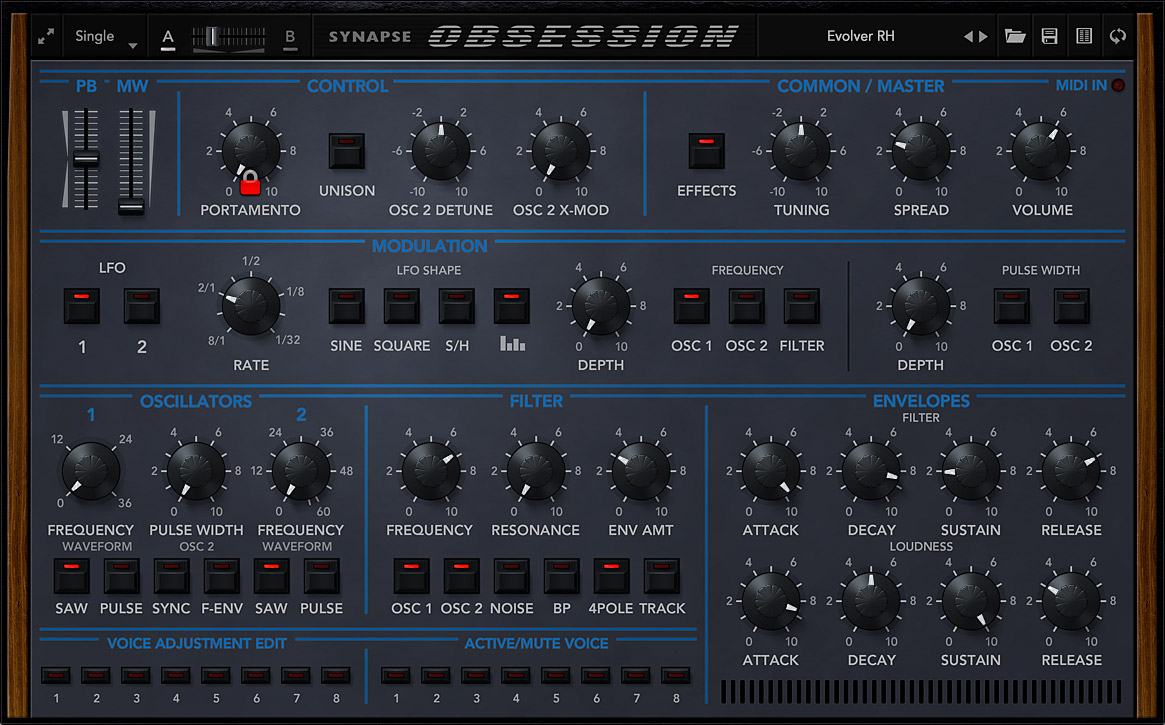 This one is not talked about enough.
Obsession is built to sound like a vintage polyphonic analog synth — the kind of hardware that costs thousands and needs constant maintenance to stay in tune.
Most software synths are perfectly identical across every voice. That sounds sterile. On a real analog poly synth, each voice is slightly different — tiny variations in tuning, filter, envelope timing. That imperfection is what makes it feel alive. Obsession replicates this. Every voice has its own subtle character. The result is pads and chords that breathe.
If you want that hypnotic, organic quality that runs through the best minimal tech house — this is the plugin making it happen.
Get it: synapse-audio.com — free trial available
Skip the sound design rabbit hole
Getting any of these synths to sound the way Chris Stussy sounds takes time. A lot of it. The M1 has thousands of presets. Most are not what you need. The Polysix and Obsession need careful programming to sit right in a minimal mix. Serum can go wrong in a hundred directions before it goes right.
If you want a shortcut, we built one.
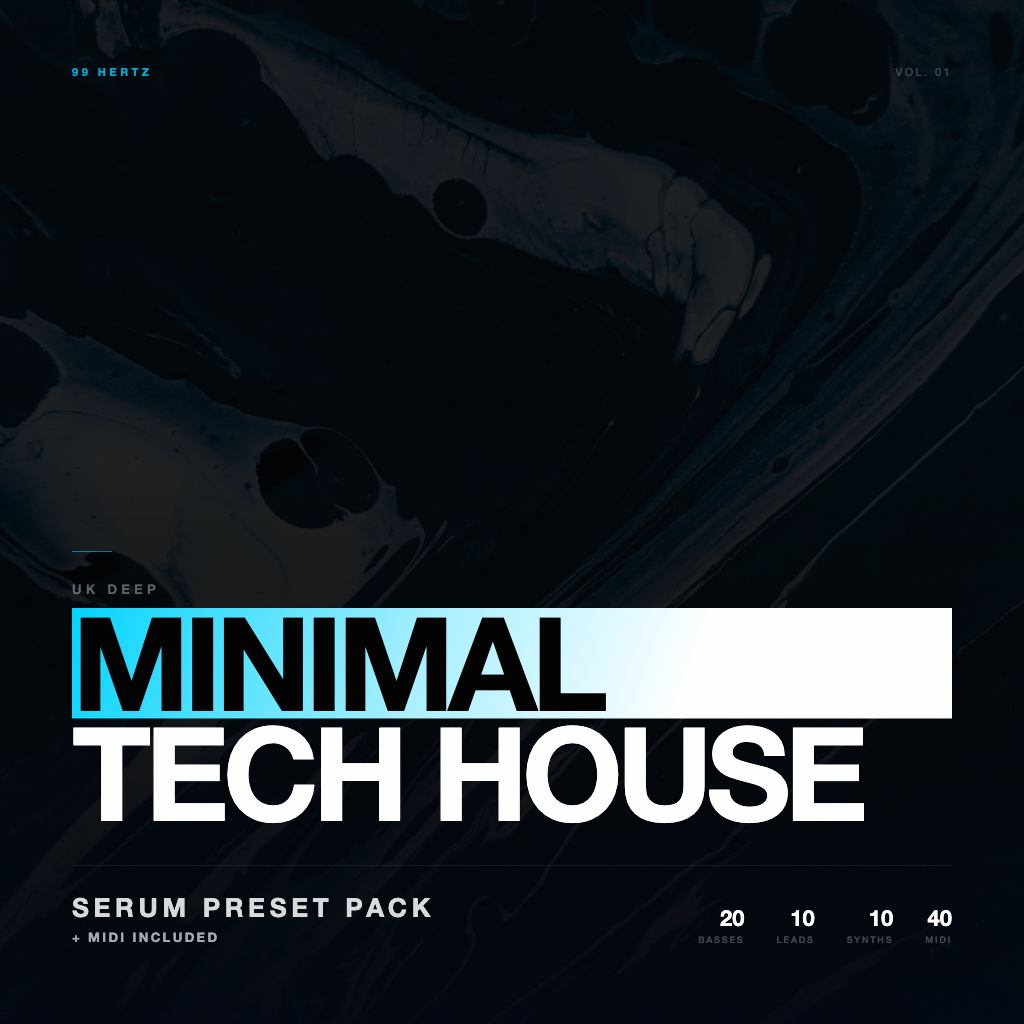 The UK Deep Minimal Tech House Serum Preset Pack is a collection of sounds designed specifically for this genre. Warm pads. Deep Basses. Atmospheric leads. Every patch dialled in so it actually sits in a minimal mix without fighting everything else.
Load them into Serum, play them, and they fit. No hours of tweaking. No wondering why it sounds wrong. Just the sounds, ready to go.
Get the Preset Pack →
Get better at production — free
Download free tools, project files and get tips straight to your inbox.
Download Free Resources